Search This Blog

Thursday, 24 April 2014

Get Stronger, Leaner, Fitter Fast

Strength coaches everywhere use weighted sled workouts to condition elite athletes because they flat-out work! Get to know this deceptively simple device that's showing up in more gyms than ever!

The use of weighted sleds has taken off in popularity over the past few years inside gyms, outside them, and in parking lots all around them. But it's OK if you're mystified by these contraptions at first. They look like something from football training crossed with a pallet jack from a warehouse, and if you've neither played football nor worked in a warehouse, you might wonder what the point is.
The point is suffering—the good kind. If you're lucky enough to train in a facility that has one of these deceptively simple tools, take advantage of it! Working with sleds is one of the most effective ways to round out your training. It develops work capacity and athleticism without negatively impacting your strength and muscle gains.
That may sound like a tall order for a hunk of sliding metal, but it's all part of the simple genius of the sled.

WHAT'S SO SPECIAL ABOUT A SLED?

One of the most important distinctions between sled exercises and most other types of resistance work is that with sled work there is no eccentric, or negative, part of the movement. For example, when you lower the bar to your chest on the bench press you perform an eccentric action. The concentric half of the motion is when you press it back to lockout.
BEAR CRAWL SLED DRAGS
The eccentric portion of the lift is where most of the muscle damage occurs, which is one reason that bodybuilders tend to (or are supposed to tend to) favor slowly lowering the weight. For building muscle, this is usually a good thing, but when you need to train often or speed up recovery, it isn't ideal.
Since sled training only has a concentric movement, it's a great way to work your muscles without beating them up too much. This doesn't mean it feels any easier than lifting, though. If you've ever worked with a sled, you know that it is brutally difficult.

IT'S NOT JUST FOR LEGS

Take one look at a sled and you can see what to do with it: You push it or pull it. Forward drags are excellent for speed development and will target your posterior chain primarily. Dragging a sled backward is one of the most brutal things you can do to wipe out your quadriceps. The fun doesn't end there, but that's the best place to start.

Try doing 50-100-foot sprints with a reasonable weight. You want to be able to maintain a decent speed while still using enough weight to feel challenged. Start off with 5-6 sprints, and slowly add weight as you get used to the sled. Perform these either on an off day or at the end of your workout twice per week.
Another great use of a sled is to perform modified versions of traditional movements. With a little creativity you can hit every body part and train explosive power along the way.

1
 SLED CHEST PRESS

Grab the sled's straps and face away, holding the straps close to your body around chest height. Make sure you maintain tension in the straps, take a strong athletic stance, and explode your arms out in front of you like a chest press. Take a few steps forward and repeat for reps or for distance. This exercise can also be performed one arm at a time.

2
 SLED ROW

Face the sled and hold the straps with your arms out in front of you. Load tension on the straps and forcefully pull the sled toward you. Take a few steps back and repeat for reps or distance. This exercise can also be performed one arm at a time.

3
 SLED WOOD-CHOP

Stand in front of the sled facing sideways and hold the straps down on your side closest to the sled. Turn your torso to face the sled; keep tension in the straps. Explosively rotate your body away from the sled; keep your arms straight throughout the movement. Repeat for reps or distance and make sure to work both sides evenly.

4
 PULL-THROUGHS

This is a favorite for NFL players looking to explode off the line. Grab the sled straps and stand facing away from the sled with the handles held between your legs. Without bending your knees, hinge at the hips, load the straps with tension, and explosively extend your hips forward. Repeat for reps or distance.

5
 BEAR CRAWLS

This exercise requires you to attach the sled to your body via a belt or vest. Drop into a quadruped position (hands and feet) and maintain a neutral spine position. Crawl for distance or time.

6
 SLED LUNGES

Hold the handles behind you and perform walking lunges in the same manner as you would with any other weight. You can also perform reverse lunges by facing the sled and lunging backward.

PUSH, PULL, AND PERSPIRE

With a little tweaking, you can use a sled to perform almost any exercise you can do with a cable machine. Put all of these movements together into their own workout for a great full-body burner, or use individual exercises during related workouts for some extra work. For example, you could perform the sled chest press at the end of your chest workout as a way of finishing off the muscle group.
Either way, it's time to stop gazing from afar at this incredibly effective tool if one happens to be in your gym. Get in line and give it a go!

10 ways to achieve deep sleep

Sleep deprivation can affect everything from your memory to your immune system, heart and metabolism. Follow these tips for a good sleep tonight

Create a transition routine


This is something you do every night before bed. It could be as simple as letting the cat out, turning off the lights, turning down the heat, washing your face and brushing your teeth. Or it could be a series of yoga or meditation exercises. Regardless, it should be consistent. As you begin to move into your "nightly routine," your mind will get the signal that it's time to chill out, physiologically preparing you for sleep.


Choose the right pillow.

One Swedish study found that neck pillows, which resemble a rectangle with a depression in the middle, can actually enhance the quality of your sleep as well as reduce neck pain. The ideal neck pillow should be soft and not too high, provide neck support and be allergy tested and washable, researchers found. A pillowwith two supporting cores received the best rating from the 55 people who participated in the study. Another study found that water-filled pillows provided the best night's sleep when compared to participants' usual pillows or a roll pillow, and yet another study rated "cool" pillows best, so choose one made of natural fibres, which release heat better and keep your head cooler than polyester. If you're subject to allergies or find you're often stuffed up when you awake in the morning, try a hypoallergenic pillow.


Eat a banana before bed.

It's a great natural source of melatonin, the sleep hormone, as well as tryptophan. The time-honoured tradition, of course, is warm milk, also a good source of tryptophan.


Take a hot bath 90 to 120 minutes before bedtime.

A study published in the journal Sleep found that women with insomnia who took a hot bath at this point (with the water temperature at approximately 40°C), slept much better that night. The bath increased their core body temperature, which abruptly dropped once they got out of the bath, readying them for sleep.


Pyjamas or naked?

The answer is pyjamas. Warm skin helps to slow down your blood's circulation, cooling your internal temperature and generally contributing to a deeper sleep. Just don't overdo it. Your body goes through a few cool–warm cycles as the night passes, so you want pyjamas, sheets and covers that keep you comfortable through these changes.


Clean your bedroom and paint it a soothing sage green.

Or some other soothing colour. First, remove the clutter from your bedroom – it provides a distraction and stands in the way of a good night's sleep. A soothing colour provides a visual reminder of sleep, relaxing you as you lie in bed reading or preparing for sleep.


Kick your dog or cat out of your bedroom.

A 2002 research study found that one in five pet owners sleep with their pets. The study also found that dogs and cats created one of the biggest impediments to a good night's sleep since the discovery of caffeine. One reason? The study found that 21 percent of the dogs and 7 percent of the cats snored!


Give yourself a massage.

Slowly move the tips of your fingers around your eyes in a slow, circular motion. After a minute, move down to your mouth, then to your neck and the back of your head. Continue down your body until you're ready to drop off to sleep. Another option: ask your partner for a massage and massage each other on alternate nights.


Sprinkle just-washed sheets and pillowcases with lavender water.

Then iron them before making up your bed. The scent is scientifically proven to promote relaxation, and the repetition and mindlessness of ironing will soothe you. Or put lavender water in a perfume atomizer and spray above your bed just before climbing in.


Listen to a book on tape while you fall asleep.

Just as a bedtime story soothes and relaxes children, a calming book on tape (try poetry or a biography, but stay away from horror novels) can have the same effect with us grown-ups.


Wednesday, 23 April 2014

Top 10 Foods Highest in Cholesterol

Cholesterol is a steroid lipid (fat) found in the blood of all animals and is necessary for proper functioning of our cell membranes and production of hormones. While there can be negative health benefits associated with low cholesterol, cholesterol deficiency is rare. Our bodies already manufacture all the cholesterol we need, so it is not necessary to consume more. Excessive consumption of cholesterol has been shown to increase the risk of heart disease and stroke. Cholesterol is only found in animal food products, and thus, vegans are likely to have lower cholesterol than non-vegans. It is recommended that you buy a Cholesterol Test Kit, so you can monitor your cholesterol levels at home and see which diet works best for you. The current percent daily value (DV) for cholesterol is 300mg.

#1: Egg Yolk
The yolks of eggs have the most cholesterol of any food with 1234mg per 100 gram serving or 411% of the DV. A single egg yolk will provide 210mg (70% DV) of cholesterol, while a whole egg provides slightly more with 212mg (71% DV). Thus all the cholesterol in eggs is found in their yolks.
Click to see complete nutrition facts.
#2: Caviar (Fish Roe)
A common spread for breads in Northern and Eastern Europe, caviar is packed with cholesterol. 100 grams provides 588mg (196% DV), that is 94mg (31% DV) per tablespoon.
Click to see complete nutrition facts.

#3: Liver, Pate, Foie Gras
Cholesterol is manufactured by the liver, and therefore liver in cuisine contains a lot of cholesterol. The liver from most any meat will contain 564mg of cholesterol per 100 grams or 188% of the DV. Foie Gras (and most pâtés) contain 255mg (85% DV) per 100g serving,or 20mg (7% DV) per tablespoon.
Click to see complete nutrition facts.
#4: Butter
Common in cakes, cookies, on bread, and vegetables, butter is everywhere. 100 grams of butter packs 215mg (72% DV) of cholesterol, one stick has more with 243mg (81% DV), and one tablespoon contains 30mg (10% DV).
Click to see complete nutrition facts.

#5: Shrimp (Prawns, Camarones)
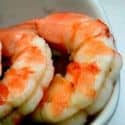
100 grams of shrimp will contain 195mg (65% DV) of cholesterol. A single large shrimp contains 11mg (4% DV), and an ounce of shrimp will provide around 55mg (18% DV).
Click to see complete nutrition facts.

#6: Fast Foods (Breakfasts)
Fast foods, the breakfasts in particular, are packed with cholesterol. A ham, egg, and cheese biscuit will provide 172mg (57% DV) per 100g serving, or 246mg (82% DV) of cholesterol per biscuit. An egg and sausage biscuit has even more with 261mg (87% DV).
Click to see complete nutrition facts.
#7: Oil Packed Fish
Although thought to be good for your heart, the oil of fish, and oil packed fish, does contain quite a bit of cholesterol. Oil packed Atlantic Sardines carry 142mg (47% DV) of cholesterol per 100g. That is 131mg (44% DV) per can, and 17mg (6% DV) in a single sardine.
Click to see complete nutrition facts.
#8: Cheese
A vegetarian source of protein, and also a good source of calcium, cheese is a tasty addition to most any dish. Port de Salut contains the most cholesterol with 123mg (41% DV) per 100 gram serving. That is 21mg (7% DV) per one inch cube. Other cheeses high in cholesterol include: Fontina (39% DV), Gouda (38%), Cream Cheese (37% DV), Gruyere (37%), and Cheddar (35% DV).
Click to see complete nutrition facts.
#9: Processed Meats (Sausage, Lamb, Duck)
The amount of cholesterol in any processed meat depends on the cut used, and the amount of fat added during processing. Liver sausage and bratwurst will contain around 158mg (50% DV) of cholesterol per 100 gram serving. That is 63mg (21% DV) per link. In terms of meats, lamb and duck will contain the most cholesterol all things being equal.
Click to see complete nutrition facts.
#10: Shellfish (Oysters, Clams, and Mussels)
Shellfish can be eaten raw, baked, steamed, fried, or made into chowder. Wild Eastern Oysters contain the most cholesterol with 105mg (35% DV) per 100g serving. That is 30mg (10% DV) per ounce, or 7mg (3% DV) per oyster.
Click to see complete nutrition facts.

Other Cholesterol Rich Foods (Which should be avoided by people with high blood cholesterol)

Squid (Calamari)260mg (87% DV) per 100 gram serving1179mg (395% DV) per pound (453 grams)221mg (74% DV) in a 3oz serving (85 grams)Click to see complete nutrition facts for Squid (Calamari)
Fast Food Biscuits, Burgers, and Sandwiches*235mg (78% DV) per 100 gram serving353mg (118% DV) per item (150 grams)Click to see complete nutrition facts for Fast Food Egg and Bacon Biscuit
Cream Puffs (Eclair)196mg (65% DV) per 100 gram serving129mg (43% DV) per cream puff (66 grams)94mg (31% DV) in an eclair (48 grams)Click to see complete nutrition facts for Cream Puffs and Eclairs
Liver Sausage (Liverwurst)*158mg (53% DV) per 100 gram serving28mg (9% DV) per slice (18 grams)44mg (15% DV) per ounce (28 grams)Click to see complete nutrition facts for Liver Sausage (Liverwurst)
Crab Cakes*150mg (50% DV) per 100 gram serving180mg (60% DV) in two crab cakes (120 grams)90mg (30% DV) per crab cake (60 grams)Click to see complete nutrition facts for Crab Cakes (Blue Crab)
Chocolate Mousse*140mg (47% DV) per 100 gram serving566mg (188% DV) per cup (404 grams)283mg (94% DV) in a half-cup (202 grams)Click to see complete nutrition facts for Chocolate Mousse
Heavy Whipping Cream137mg (46% DV) per 100 gram serving326mg (109% DV) per cup cream (~2 cups whipped) (238 grams)164mg (55% DV) per cup whipped (120 grams)Click to see complete nutrition facts for Heavy Whipping Cream
Snack and Candy Bars*136mg (45% DV) per 100 gram serving38mg (13% DV) in a 1 ounce bar (28 grams)Click to see complete nutrition facts for Snack and Candy Bars
Crayfish133mg (44% DV) per 100 gram serving113mg (38% DV) in a 3 ounce serving (85 grams)38mg (13% DV) per ounce (28 grams)Click to see complete nutrition facts for Wild Caught Crayfish
Beef Stick Snacks*133mg (44% DV) per 100 gram serving27mg (9% DV) per stick (20 grams)37mg (12% DV) per ounce (28 grams)Click to see complete nutrition facts for Smoked Beef Stick Snacks
Whelk130mg (43% DV) per 100 gram serving111mg (37% DV) in a 3 ounce serving (85 grams)37mg (12% DV) per ounce (28 grams)Click to see complete nutrition facts for Whelk
Blood Sausage120mg (40% DV) per 100 gram serving30mg (10% DV) per slice (25 grams)Click to see complete nutrition facts for Blood Sausage
Pork Ribs**118mg (39% DV) per 100 gram serving258mg (86% DV) per pound (219 grams)100mg (33% DV) in a 3 ounce serving (85 grams)Click to see complete nutrition facts for Roasted Pork Back-ribs
Souffle118mg (39% DV) per 100 gram serving320mg (106% DV) in two cups (272 grams)160mg (53% DV) per cup (136 grams)Click to see complete nutrition facts for Spinach Souffle
Cookies, Cakes, Pies, and Brownies*117mg (39% DV) per 100 gram serving6mg (2% DV) per item (5 grams)33mg (11% DV) per ounce (28 grams)Click to see complete nutrition facts for Butter Cookies
Veal**113mg (38% DV) per 100 gram serving292mg (97% DV) per pound (258 grams)96mg (32% DV) in a 3 ounce serving (85 grams)Click to see complete nutrition facts for Roasted Veal Shoulder
Bacon113mg (38% DV) per 100 gram serving36mg (12% DV) in 4 slices (32 grams)9mg (3% DV) per slice (8 grams)Click to see complete nutrition facts for Pan Fried Bacon
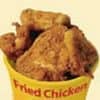
Fried Chicken (esp. Fast Foods)**112mg (37% DV) per 100 gram serving166mg (55% DV) in two pieces (148 grams)83mg (27% DV) per piece (74 grams)Click to see complete nutrition facts for Breaded and Fried Chicken, Dark Meat (Leg or Thigh)
Pepperoni (Beef, Pork, and Turkey)*105mg (35% DV) per 100 gram serving2mg (1% DV) per slice (2 grams)29mg (10% DV) per ounce (28 grams)Click to see complete nutrition facts for Pepperoni
Toffee104mg (35% DV) per 100 gram serving48mg (16% DV) in 4 pieces (48 grams)12mg (4% DV) per piece (12 grams)Click to see complete nutrition facts for Toffee
Salami*100mg (33% DV) per 100 gram serving27mg (9% DV) in 3 slices (27 grams)28mg (9% DV) per ounce (28 grams)Click to see complete nutrition facts for Dry (or Hard) Salami
Octopus96mg (32% DV) per 100 gram serving82mg (27% DV) in a 3 ounce serving (85 grams)27mg (9% DV) per ounce (28 grams)Click to see complete nutrition facts for Octopus
Ice Cream92mg (31% DV) per 100 gram serving196mg (66% DV) per cup (214 grams)98mg (33% DV) in a half-cup (107 grams)Click to see complete nutrition facts for Vanilla Ice Cream
Whole Milk (3.25% Milkfat)10mg (3% DV) per 100 gram serving24mg (8% DV) per cup (244 grams)3mg (1% DV) in a fluid ounce (31 grams)Click to see complete nutrition facts for Whole Milk
*Amount of cholesterol may vary greatly between products. Be sure to check nutrition labels for the exact amount of cholesterol in each individual product. 
**Amount of cholesterol varies greatly between cuts. Ask for low-fat lean cuts which will greatly reduce the amount of cholesterol. For chicken and turkey white meat has less cholesterol and fat than dark cuts such as the leg and thigh. 

High Risk Groups who need to limit or eliminate Cholesterol Consumption

  • Individuals with a family history of high cholesterol - Regulation of cholesterol blood levels are hereditary and it is advisable to find out if relatives have high cholesterol levels.
  • Older Adults - Cholesterol levels rise with age, particularly in post-menopausal women.
  • Over weight Individuals - Being over-weight increases risk of heart-disease and tends to colerate with high cholesterol levels.
  • People with Low Physical Activity Levels - Excersize is an effective way to lower bad cholesterol levels (LDLs) and raise good cholesterol levels (HDLs). People who are not physically active are at risk for high cholesterol levels.
  • Individuals with high blood pressure - High blood pressure in combination with high cholesterol levels greatly increases the risk of heart disease and heart attacks.
  • Smokers - Individuals who smoke cigarettes have a higher risk of heart disease and should avoid high cholesterol foods.

The Inuit Paradox

How can people who gorge on fat and rarely see a vegetable be healthier than we are?

Patricia Cochran, an Inupiat from Northwestern Alaska, is talking about the native foods of her childhood: “We pretty much had a subsistence way of life. Our food supply was right outside our front door. We did our hunting and foraging on the Seward Peninsula and along the Bering Sea.
GRAY SEAL
“Our meat was seal and walrus, marine mammals that live in cold water and have lots of fat. We used seal oil for our cooking and as a dipping sauce for food. We had moose, caribou, and reindeer. We hunted ducks, geese, and little land birds like quail, called ptarmigan. We caught crab and lots of fish—salmon, whitefish, tomcod, pike, and char. Our fish were cooked, dried, smoked, or frozen. We ate frozen raw whitefish, sliced thin. The elders liked stinkfish, fish buried in seal bags or cans in the tundra and left to ferment. And fermented seal flipper, they liked that too.”
Cochran’s family also received shipments of whale meat from kin living farther north, near Barrow. Beluga was one she liked; raw muktuk, which is whale skin with its underlying blubber, she definitely did not. “To me it has a chew-on-a-tire consistency,” she says, “but to many people it’s a mainstay.” In the short subarctic summers, the family searched for roots and greens and, best of all from a child’s point of view, wild blueberries, crowberries, or salmonberries, which her aunts would mix with whipped fat to make a special treat called akutuq—in colloquial English, Eskimo ice cream.
Now Cochran directs the Alaska Native Science Commission, which promotes research on native cultures and the health and environmental issues that affect them. She sits at her keyboard in Anchorage, a bustling city offering fare from Taco Bell to French cuisine. But at home Cochran keeps a freezer filled with fish, seal, walrus, reindeer, and whale meat, sent by her family up north, and she and her husband fish and go berry picking—“sometimes a challenge in Anchorage,” she adds, laughing. “I eat fifty-fifty,” she explains, half traditional, half regular American.
No one, not even residents of the northernmost villages on Earth, eats an entirely traditional northern diet anymore. Even the groups we came to know as Eskimo—which include the Inupiat and the Yupiks of Alaska, the Canadian Inuit and Inuvialuit, Inuit Greenlanders, and the Siberian Yupiks—have probably seen more changes in their diet in a lifetime than their ancestors did over thousands of years. The closer people live to towns and the more access they have to stores and cash-paying jobs, the more likely they are to have westernized their eating. And with westernization, at least on the North American continent, comes processed foods and cheap carbohydrates—Crisco, Tang, soda, cookies, chips, pizza, fries. “The young and urbanized,” says Harriet Kuhnlein, director of the Centre for Indigenous Peoples’ Nutrition and Environment at McGill University in Montreal, “are increasingly into fast food.” So much so that type 2 diabetes, obesity, and other diseases of Western civilization are becoming causes for concern there too.
Today, when diet books top the best-seller list and nobody seems sure of what to eat to stay healthy, it’s surprising to learn how well the Eskimo did on a high-protein, high-fat diet. Shaped by glacial temperatures, stark landscapes, and protracted winters, the traditional Eskimo diet had little in the way of plant food, no agricultural or dairy products, and was unusually low in carbohydrates. Mostly people subsisted on what they hunted and fished. Inland dwellers took advantage of caribou feeding on tundra mosses, lichens, and plants too tough for humans to stomach (though predigested vegetation in the animals’ paunches became dinner as well). Coastal people exploited the sea. The main nutritional challenge was avoiding starvation in late winter if primary meat sources became too scarce or lean.
These foods hardly make up the “balanced” diet most of us grew up with, and they look nothing like the mix of grains, fruits, vegetables, meat, eggs, and dairy we’re accustomed to seeing in conventional food pyramid diagrams. How could such a diet possibly be adequate? How did people get along on little else but fat and animal protein?
What the diet of the Far North illustrates, says Harold Draper, a biochemist and expert in Eskimo nutrition, is that there are no essential foods—only essential nutrients. And humans can get those nutrients from diverse and eye-opening sources.
One might, for instance, imagine gross vitamin deficiencies arising from a diet with scarcely any fruits and vegetables. What furnishes vitamin A, vital for eyes and bones? We derive much of ours from colorful plant foods, constructing it from pigmented plant precursors called carotenoids (as in carrots). But vitamin A, which is oil soluble, is also plentiful in the oils of cold-water fishes and sea mammals, as well as in the animals’ livers, where fat is processed. These dietary staples also provide vitamin D, another oil-soluble vitamin needed for bones. Those of us living in temperate and tropical climates, on the other hand, usually make vitamin D indirectly by exposing skin to strong sun—hardly an option in the Arctic winter—and by consuming fortified cow’s milk, to which the indigenous northern groups had little access until recent decades and often don’t tolerate all that well.
As for vitamin C, the source in the Eskimo diet was long a mystery. Most animals can synthesize their own vitamin C, or ascorbic acid, in their livers, but humans are among the exceptions, along with other primates and oddballs like guinea pigs and bats. If we don’t ingest enough of it, we fall apart from scurvy, a gruesome connective-tissue disease. In the United States today we can get ample supplies from orange juice, citrus fruits, and fresh vegetables. But vitamin C oxidizes with time; getting enough from a ship’s provisions was tricky for early 18th- and 19th-century voyagers to the polar regions. Scurvy—joint pain, rotting gums, leaky blood vessels, physical and mental degeneration—plagued European and U.S. expeditions even in the 20th century. However, Arctic peoples living on fresh fish and meat were free of the disease.
HERRING
Impressed, the explorer Vilhjalmur Stefansson adopted an Eskimo-style diet for five years during the two Arctic expeditions he led between 1908 and 1918. “The thing to do is to find your antiscorbutics where you are,” he wrote. “Pick them up as you go.” In 1928, to convince skeptics, he and a young colleague spent a year on an Americanized version of the diet under medical supervision at Bellevue Hospital in New York City. The pair ate steaks, chops, organ meats like brain and liver, poultry, fish, and fat with gusto. “If you have some fresh meat in your diet every day and don’t overcook it,” Stefansson declared triumphantly, “there will be enough C from that source alone to prevent scurvy.”
In fact, all it takes to ward off scurvy is a daily dose of 10 milligrams, says Karen Fediuk, a consulting dietitian and former graduate student of Harriet Kuhnlein’s who did her master’s thesis on vitamin C. (That’s far less than the U.S. recommended daily allowance of 75 to 90 milligrams—75 for women, 90 for men.) Native foods easily supply those 10 milligrams of scurvy prevention, especially when organ meats—preferably raw—are on the menu. For a study published with Kuhnlein in 2002, Fediuk compared the vitamin C content of 100-gram (3.55-ounce) samples of foods eaten by Inuit women living in the Canadian Arctic: Raw caribou liver supplied almost 24 milligrams, seal brain close to 15 milligrams, and raw kelp more than 28 milligrams. Still higher levels were found in whale skin and muktuk.
As you might guess from its antiscorbutic role, vitamin C is crucial for the synthesis of connective tissue, including the matrix of skin. “Wherever collagen’s made, you can expect vitamin C,” says Kuhnlein. Thick skinned, chewy, and collagen rich, raw muktuk can serve up an impressive 36 milligrams in a 100-gram piece, according to Fediuk’s analyses. “Weight for weight, it’s as good as orange juice,” she says. Traditional Inuit practices like freezing meat and fish and frequently eating them raw, she notes, conserve vitamin C, which is easily cooked off and lost in food processing.
Hunter-gatherer diets like those eaten by these northern groups and other traditional diets based on nomadic herding or subsistence farming are among the older approaches to human eating. Some of these eating plans might seem strange to us—diets centered around milk, meat, and blood among the East African pastoralists, enthusiastic tuber eating by the Quechua living in the High Andes, the staple use of the mongongo nut in the southern African !Kung—but all proved resourceful adaptations to particular eco-niches. No people, though, may have been forced to push the nutritional envelope further than those living at Earth’s frozen extremes. The unusual makeup of the far-northern diet led Loren Cordain, a professor of evolutionary nutrition at Colorado State University at Fort Collins, to make an intriguing observation.
Four years ago, Cordain reviewed the macronutrient content (protein, carbohydrates, fat) in the diets of 229 hunter-gatherer groups listed in a series of journal articles collectively known as the Ethnographic Atlas. These are some of the oldest surviving human diets. In general, hunter-gatherers tend to eat more animal protein than we do in our standard Western diet, with its reliance on agriculture and carbohydrates derived from grains and starchy plants. Lowest of all in carbohydrate, and highest in combined fat and protein, are the diets of peoples living in the Far North, where they make up for fewer plant foods with extra fish. What’s equally striking, though, says Cordain, is that these meat-and-fish diets also exhibit a natural “protein ceiling.” Protein accounts for no more than 35 to 40 percent of their total calories, which suggests to him that’s all the protein humans can comfortably handle.
This ceiling, Cordain thinks, could be imposed by the way we process protein for energy. The simplest, fastest way to make energy is to convert carbohydrates into glucose, our body’s primary fuel. But if the body is out of carbs, it can burn fat, or if necessary, break down protein. The name given to the convoluted business of making glucose from protein is gluconeogenesis. It takes place in the liver, uses a dizzying slew of enzymes, and creates nitrogen waste that has to be converted into urea and disposed of through the kidneys. On a truly traditional diet, says Draper, recalling his studies in the 1970s, Arctic people had plenty of protein but little carbohydrate, so they often relied on gluconeogenesis. Not only did they have bigger livers to handle the additional work but their urine volumes were also typically larger to get rid of the extra urea. Nonetheless, there appears to be a limit on how much protein the human liver can safely cope with: Too much overwhelms the liver’s waste-disposal system, leading to protein poisoning—nausea, diarrhea, wasting, and death.
Whatever the metabolic reason for this syndrome, says John Speth, an archaeologist at the University of Michigan’s Museum of Anthropology, plenty of evidence shows that hunters through the ages avoided protein excesses, discarding fat-depleted animals even when food was scarce. Early pioneers and trappers in North America encountered what looks like a similar affliction, sometimes referred to as rabbit starvation because rabbit meat is notoriously lean. Forced to subsist on fat-deficient meat, the men would gorge themselves, yet wither away. Protein can’t be the sole source of energy for humans, concludes Cordain. Anyone eating a meaty diet that is low in carbohydrates must have fat as well.
KELP
Stefansson had arrived at this conclusion, too, while living among the Copper Eskimo. He recalled how he and his Eskimo companions had become quite ill after weeks of eating “caribou so skinny that there was no appreciable fat behind the eyes or in the marrow.” Later he agreed to repeat the miserable experience at Bellevue Hospital, for science’s sake, and for a while ate nothing but defatted meat. “The symptoms brought on at Bellevue by an incomplete meat diet [lean without fat] were exactly the same as in the Arctic . . . diarrhea and a feeling of general baffling discomfort,” he wrote. He was restored with a fat fix but “had lost considerable weight.” For the remainder of his year on meat, Stefansson tucked into his rations of chops and steaks with fat intact. “A normal meat diet is not a high-protein diet,” he pronounced. “We were really getting three-quarters of our calories from fat.” (Fat is more than twice as calorie dense as protein or carbohydrate, but even so, that’s a lot of lard. A typical U.S diet provides about 35 percent of its calories from fat.)
Stefansson dropped 10 pounds on his meat-and-fat regimen and remarked on its “slenderizing” aspect, so perhaps it’s no surprise he’s been co-opted as a posthumous poster boy for Atkins-type diets. No discussion about diet these days can avoid Atkins. Even some researchers interviewed for this article couldn’t resist referring to the Inuit way of eating as the “original Atkins.” “Superficially, at a macronutrient level, the two diets certainly look similar,” allows Samuel Klein, a nutrition researcher at Washington University in St. Louis, who’s attempting to study how Atkins stacks up against conventional weight-loss diets. Like the Inuit diet, Atkins is low in carbohydrates and very high in fat. But numerous researchers, including Klein, point out that there are profound differences between the two diets, beginning with the type of meat and fat eaten.
Fats have been demonized in the United States, says Eric Dewailly, a professor of preventive medicine at Laval University in Quebec. But all fats are not created equal. This lies at the heart of a paradox—the Inuit paradox, if you will. In the Nunavik villages in northern Quebec, adults over 40 get almost half their calories from native foods, says Dewailly, and they don’t die of heart attacks at nearly the same rates as other Canadians or Americans. Their cardiac death rate is about half of ours, he says. As someone who looks for links between diet and cardiovascular health, he’s intrigued by that reduced risk. Because the traditional Inuit diet is “so restricted,” he says, it’s easier to study than the famously heart-healthy Mediterranean diet, with its cornucopia of vegetables, fruits, grains, herbs, spices, olive oil, and red wine.
A key difference in the typical Nunavik Inuit’s diet is that more than 50 percent of the calories in Inuit native foods come from fats. Much more important, the fats come from wild animals.
Wild-animal fats are different from both farm-animal fats and processed fats, says Dewailly. Farm animals, cooped up and stuffed with agricultural grains (carbohydrates) typically have lots of solid, highly saturated fat. Much of our processed food is also riddled with solid fats, or so-called trans fats, such as the reengineered vegetable oils and shortenings cached in baked goods and snacks. “A lot of the packaged food on supermarket shelves contains them. So do commercial french fries,” Dewailly adds.
Trans fats are polyunsaturated vegetable oils tricked up to make them more solid at room temperature. Manufacturers do this by hydrogenating the oils—adding extra hydrogen atoms to their molecular structures—which “twists” their shapes. Dewailly makes twisting sound less like a chemical transformation than a perversion, an act of public-health sabotage: “These man-made fats are dangerous, even worse for the heart than saturated fats.” They not only lower high-density lipoprotein cholesterol (HDL, the “good” cholesterol) but they also raise low-density lipoprotein cholesterol (LDL, the “bad” cholesterol) and triglycerides, he says. In the process, trans fats set the stage for heart attacks because they lead to the increase of fatty buildup in artery walls.
Wild animals that range freely and eat what nature intended, says Dewailly, have fat that is far more healthful. Less of their fat is saturated, and more of it is in the monounsaturated form (like olive oil). What’s more, cold-water fishes and sea mammals are particularly rich in polyunsaturated fats called n-3 fatty acids or omega-3 fatty acids. These fats appear to benefit the heart and vascular system. But the polyunsaturated fats in most Americans’ diets are the omega-6 fatty acids supplied by vegetable oils. By contrast, whale blubber consists of 70 percent monounsaturated fat and close to 30 percent omega-3s, says Dewailly.
Omega-3s evidently help raise HDL cholesterol, lower triglycerides, and are known for anticlotting effects. (Ethnographers have remarked on an Eskimo propensity for nosebleeds.) These fatty acids are believed to protect the heart from life-threatening arrhythmias that can lead to sudden cardiac death. And like a “natural aspirin,” adds Dewailly, omega-3 polyunsaturated fats help put a damper on runaway inflammatory processes, which play a part in atherosclerosis, arthritis, diabetes, and other so-called diseases of civilization.
HALIBUT BONES
You can be sure, however, that Atkins devotees aren’t routinely eating seal and whale blubber. Besides the acquired taste problem, their commerce is extremely restricted in the United States by the Marine Mammal Protection Act, says Bruce Holub, a nutritional biochemist in the department of human biology and nutritional sciences at the University of Guelph in Ontario.
 “In heartland America it’s probable they’re not eating in an Eskimo-like way,” says Gary Foster, clinical director of the Weight and Eating Disorders Program at the Pennsylvania School of Medicine. Foster, who describes himself as open-minded about Atkins, says he’d nonetheless worry if people saw the diet as a green light to eat all the butter and bacon—saturated fats—they want. Just before rumors surfaced that Robert Atkins had heart and weight problems when he died, Atkins officials themselves were stressing saturated fat should account for no more than 20 percent of dieters’ calories. This seems to be a clear retreat from the diet’s original don’t-count-the-calories approach to bacon and butter and its happy exhortations to “plow into those prime ribs.” Furthermore, 20 percent of calories from saturated fats isdouble what most nutritionists advise. Before plowing into those prime ribs, readers of a recent edition of the Dr. Atkins’ New Diet Revolution are urged to take omega-3 pills to help protect their hearts. “If you watch carefully,” says Holub wryly, “you’ll see many popular U.S. diets have quietly added omega-3 pills, in the form of fish oil or flaxseed capsules, as supplements.”
Needless to say, the subsistence diets of the Far North are not “dieting.” Dieting is the price we pay for too little exercise and too much mass-produced food. Northern diets were a way of life in places too cold for agriculture, where food, whether hunted, fished, or foraged, could not be taken for granted. They were about keeping weight on.
This is not to say that people in the Far North were fat: Subsistence living requires exercise—hard physical work. Indeed, among the good reasons for native people to maintain their old way of eating, as far as it’s possible today, is that it provides a hedge against obesity, type 2 diabetes, and heart disease. Unfortunately, no place on Earth is immune to the spreading taint of growth and development. The very well-being of the northern food chain is coming under threat from global warming, land development, and industrial pollutants in the marine environment. “I’m a pragmatist,” says Cochran, whose organization is involved in pollution monitoring and disseminating food-safety information to native villages. “Global warming we don’t have control over. But we can, for example, do cleanups of military sites in Alaska or of communication cables leaching lead into fish-spawning areas. We can help communities make informed food choices. A young woman of childbearing age may choose not to eat certain organ meats that concentrate contaminants. As individuals, we do have options. And eating our salmon and our seal is still a heck of a better option than pulling something processed that’s full of additives off a store shelf.”
Not often in our industrial society do we hear someone speak so familiarly about “our” food animals. We don’t talk of “our pig” and “our beef.” We’ve lost that creature feeling, that sense of kinship with food sources. “You’re taught to think in boxes,” says Cochran. “In our culture the connectivity between humans, animals, plants, the land they live on, and the air they share is ingrained in us from birth.
 “You truthfully can’t separate the way we get our food from the way we live,” she says. “How we get our food is intrinsic to our culture. It’s how we pass on our values and knowledge to the young. When you go out with your aunts and uncles to hunt or to gather, you learn to smell the air, watch the wind, understand the way the ice moves, know the land. You get to know where to pick which plant and what animal to take.
“It’s part, too, of your development as a person. You share food with your community. You show respect to your elders by offering them the first catch. You give thanks to the animal that gave up its life for your sustenance. So you get all the physical activity of harvesting your own food, all the social activity of sharing and preparing it, and all the spiritual aspects as well,” says Cochran. “You certainly don’t get all that, do you, when you buy prepackaged food from a store.
“That’s why some of us here in Anchorage are working to protect what’s ours, so that others can continue to live back home in the villages,” she adds. “Because if we don’t take care of our food, it won’t be there for us in the future. And if we lose our foods, we lose who we are.” The word Inupiat means “the real people.” “That’s who we are,” says Cochran.

Tuesday, 22 April 2014

Low Carb High Fat Diet

The low carb, high fat diet (LCHF diet) has developed a strong following in Scandinavia, having originated in Sweden.
The story goes that Swedish GP Dr Annika Dahlqvist was subject to an investigation after being reported for recommending a low carb, high fat diet to her patients.
The investigation though cleared Dr Dahlqvist of wrong doing based on their findings that her methods were scientifically sound.

What is the low carb, high fat diet?

As the name suggests, the diet suggests eating high fat and low carbohydrate foods.
The LCHF diet is different to such diets as the Atkins diet as there are no ‘stages’ to work through, so the diet can be followed indefinitely.

Who is the diet for?

The diet, because of its low requirement for insulin, has been recognised by the Swedish government as being suitable for people with type 2 diabetes and as helpful to individuals looking to lose weight or maintain a healthy weight.

Which foods can I eat on the LCHF diet? – Green light foods

The following foods are compliant with the diet:
  • Dairy: natural yoghurt, cheese, cream, butter
  • Meat
  • Fish
  • Eggs
  • Vegetables
  • Olive oil and canola oil (organically grown and cold-pressed)
  • Home made sauces
The recommendation of the low carb, high fat diet is that people eat full fat versions of dairy food in preference to low fat options.
The diet does not rule out fatty meats and instead encourages people to leave the fat on rather than removing it.
Organic versions of foods are suggested where possible.

What food can I have up to moderate amounts? – Amber light foods

The following foods can be eaten in moderate amounts:
  • Bean and lentils
  • Nuts, almonds and sunflower seeds
  • Fruit (not including dried fruit)
  • Chocolate with a high cocoa quantity (65 to 90%)
Sausages can be eaten occasionally but can include undesirable additives.
Alcohol can be included with the note that it is fattening and can lead to imbalances in blood sugar.

What should be avoided on the diet? – Red light foods

The diet suggests that only a minimal amount of the following should be eaten:
  • Potato, rice, bread, flour and corn based products
  • Other cereal-based products – such as pasta, pastry, biscuits and breakfast cereals.
  • Dried fruit
  • Sweets and cakes
  • Sugary drinks
  • Margarines
  • Omega-6 based oils – such as corn, sunflower, safflower, soybean and peanut oil

How can I find more information about the LCHF diet?

A great introduction is the book, ‘Diabetes, No thanks’.
The book is an English language description of one man’s journey from his diagnosis of diabetes, through to controlling his diabetes with the diet alone.

Monday, 21 April 2014

Coconut Oil and Medium-Chain Triglycerides

by Bruce Fife, N.D.

All fats and oils are composed of fat molecules called fatty acids. There are two methods of classifying fatty acids. The one you are most familiar is based on saturation. You have saturated fatty acids, monounsaturated fatty acids, and polyunsaturated fatty acids. The second method of classification is based on molecular size or length of the carbon chain in the fatty acid. You have short-chain fatty acids (SCFA), medium-chain fatty acids(MCFA), and long-chain fatty acids (LCFA). Another term you will often see in reference to fatty acids is triglyceride. Three fatty acids joined together make a triglyceride, so you may have short-chain triglycerides (SCT), medium-chain triglycerides (MCT), or long-chain triglycerides (LCT).

The vast majority of the fats and oils you eat, whether they are saturated or unsaturated or come from an animal or a plant, are composed of long-chain triglycerides. Probably 98 to 100% of all the fats we eat consist of LCT. Coconut oil is unique because it is composed predominately of MCT. The size of the fatty acid is extremely important because physiological effects of medium-chain fatty acids in coconut oil are distinctly different from the long-chain fatty acids more commonly found in our diet. It's the MCT in coconut oil that make it different from all other fats and for the most part gives it its unique character and healing properties. Almost all of the medium-chain triglycerides used in research, medicine, and food products come from coconut oil.

Have you or someone you know ever been in a serious car accident? I mean serious enough that you had to be rushed to the hospital and spend time in the intensive care unit. Or maybe you've come down with a life-threatening illness. Or perhaps due to age you've been hospitalized to treat some degenerative condition. In any of these situations, whether you lived or died depended on the care you received in the hospital. Often this required you to be fed intravenously or through a tube. In the intensive care unit there would be others, some suffering from complications from genetic diseases such as cystic fibrosis or epilepsy and perhaps even premature infants struggling to survive their first few weeks of life. In each of these cases you and these other patients can give some of the credit for your recovery to coconut oil. Yes, in one form or another, coconut oil was part of your treatment.

Regardless of the condition, recovery requires good nutrition. Food scientists have long noted the nutritional benefits of medium-chain triglycerides. MCT from coconut oil are used in hospital formulas to feed the very young, the critically ill, and those who have digestive problems. It makes up a vital part of the solutions fed to patients intravenously or through a tube inserted down the throat. If you were ever given formula as a baby you took advantage of the health-promoting properties of coconut oil. MCT from coconut oil have been added to baby formula for decades.

MCT are easily digested, absorbed, and put to use nourishing the body. Unlike other fats, they put little strain on the digestive system and provide a quick source of energy necessary to promote healing. This is important for patients who are using every ounce of strength they have to overcome serious illness or injury. It's no wonder why MCT are added to infant formulas. Actually, whether you were breast or formula fed as an infant you consumed MCT. Why? Because MCT are not only found in coconut oil but are natural and vital components of human breast milk. MCT are considered essential nutrients for infants as well as for people with serious digestive problems like cystic fibrosis. Like other essential nutrients, you must get them directly from the diet.

One of the first scientifically recognized benefits of MCT is the unique manner in which they are digested and utilized by the body. These fats provide nutritional benefits that can improve overall health of both the sick and the well, the young and the old. Even athletes are now using them to boost performance and control weight. Unfortunately, few foods nowadays contain MCT; the best source is coconut oil. By adding coconut oil to your diet you can literally eat your way to better health.

Digestion and Nutrient Absorption

For at least five decades researchers have recognized that the MCT were digested differently than other fats. This difference has had important applications in the treatment of many digestive and metabolic health conditions and since that time MCT have been routinely used in hospital and baby formulas.

The digestive health advantages of MCT) over LCT are due to the differences in the way our bodies metabolize these fats. Because the MCT molecules are smaller, they require less energy and fewer enzymes to break them down for digestion. They are digested and absorbed quickly and with minimal effort.

MCT are broken down almost immediately by enzymes in the saliva and gastric juices so that pancreatic fat-digesting enzymes are not even essential.1 Therefore, there is less strain on the pancreas and digestive system. This has important implications for patients who suffer from digestive and metabolic problems. Premature and ill infants especially whose digestive organs are underdeveloped, are able to absorb MCT with relative ease, while other fats pass through their systems pretty much undigested. People who suffer from malabsorption problems such as cystic fibrosis, and have difficulty digesting or absorbing fats and fat soluble vitamins, benefit greatly from MCT. They can also be of importance to people suffering from diabetes, obesity, gallbladder disease, pancreatitis Crohn's disease, pancreatic insufficiency, and some forms of cancer.

As we get older our bodies don't function as well as they did in earlier years. The pancreas doesn't make as many digestive enzymes, our intestines don't absorb nutrients as well, the whole process of digestion and elimination moves at a lower rate of efficiency. As a result, older people often suffer from vitamin and mineral deficiencies. Because MCT are easy to digest and improve vitamin and mineral absorption they should be included in the meals of older people. This is easy to do if the meals are prepared with coconut oil.

In the digestive system MCT are broken down into individual fatty acids (MCFA). Unlike other fatty acids, MCFA are absorbed directly from the intestines into the portal vein and sent straight to the liver where they are, for the most part, burned as fuel much like a carbohydrate. In this respect they act more like carbohydrates than like fats.2

Other fats require pancreatic enzymes to break them into smaller units. They are then absorbed into the intestinal wall and packaged into bundles of fat (lipid) and protein called lipoproteins. These lipoproteins are carried by the lymphatic system, bypassing the liver, and then dumped into the bloodstream, where they are circulated throughout the body. As they circulate in the blood, their fatty components are distributed to all the tissues of the body. The lipoproteins get smaller and smaller, until there is little left of them. At this time they are picked up by the liver, broken apart, and used to produce energy or, if needed, repackaged into other lipoproteins and sent back into the bloodstream to be distributed throughout the body. Cholesterol, saturated fat, monounsaturated fat, and polyunsaturated fat are all packaged together into lipoproteins and carried throughout the body in this way. In contrast, medium-chain fatty acids are not packaged into lipoproteins but go to the liver where they are converted into energy. Ordinarily they are not stored to any significant degree as body fat. Medium-chain fatty acids produce energy. Other dietary fats produce body fat.

Because of the above advantages, coconut oil has been a lifesaver for many people, particularly the very young and the very old. It is used medicinally in special food preparations for those who suffer digestive disorders and have trouble digesting fats. For the same reason, it is also used in infant formula for the treatment of malnutrition. Since it is rapidly absorbed, it can deliver quick nourishment without putting excessive strain on the digestive and enzyme systems and help conserve the body's energy that would normally be expended in digesting other fats. Medium-chain triglycerides comprise a major ingredient in most infant formulas commonly used today.

Metabolism and Energy

Eating foods containing MCT is like putting high octane fuel into your car. The car runs smoother and gets better gas mileage. Likewise, with MCT your body performs better because it has more energy and greater endurance. Because MCFA are funneled directly to the liver and converted into energy, the body gets a boost of energy. And because MCFA are easily absorbed by the energy-producing organelles of the cells, metabolism increases. This burst of energy has a stimulating effect on the entire body.

The fact that MCT digest immediately to produce energy and stimulate metabolism has led athletes to use them as a means to enhance exercise performance. Studies indicate this may be true. In one study, for example, investigators tested the physical endurance of mice who were given MCT in their daily diet against those that weren't. The study extended over a six-week period. The mice were subjected to a swimming endurance test every other day. They were placed in a pool of water with a constant current. The total swimming time until exhaustion was measured. While at first there was little difference between the groups of mice, those fed MCT quickly began to out-perform the others and continued to improve throughout the testing period.3 Tests such as this demonstrated that MCT had the ability to enhance endurance and exercise performance, at least in mice.

In another study using humans, conditioned cyclists were used. The cyclists pedaled for three hours. During the last hour they were each given a beverage to drink. Those who received beverages containing MCT out performed the others. Because of studies like these many of the sports drinks and energy bars sold at health food stores contain MCT to provide a quick source of energy.

It's easy to see why athletes would be interested in gaining greater endurance and energy, but what about non-athletes? MCT can do the same for them. If eaten regularly MCT can provide a boost in energy and performance of daily activities. Would you like to increase your energy level throughout the day? If you get tired in the middle of the day or feel you lack energy, adding coconut oil to your daily diet may provide you with a much needed boost to help carry you through.

Besides increasing your energy level, there are other very important benefits that results from boosting your metabolic rate: it helps protect you from illness and speeds healing. When metabolism is increased, cells function at a higher rate of efficiency. They heal injuries quicker, old and diseased cells are replaced faster, and young, new cells are generated at an increased rate to replace worn-out ones. Even the immune system functions better.

Several health problems such as obesity, heart disease, and osteoporosis are more prevalent in those people who have slow metabolism. Any health condition is made worse if the metabolic rate is slower than normal, because cells can't heal and repair themselves as quickly. Increasing metabolic rate, therefore, provides an increased degree of protection from both degenerative and infectious illnesses.

Nature's Perfect Food

Among all the foods in nature there is one that stands head and shoulders above all the rest. That food is mothers' milk. Milk was designed by nature to supply all the nutrients a baby needs for the first year or so of life. It contains a perfect blend of vitamins, minerals, proteins, and fats for optimal growth and development. Without question breast milk is one of the wonders of nature.

Children who are breastfed not only take in important nutrients from the milk, but they also receive antibodies and other substances necessary to protect them against childhood illnesses such as ear infections, later in life. Breastfed children are healthier than those who are not. They have better teeth and jaw formation, they are less prone to allergies, have better digestive function, and are better able to fight off infectious disease. Research suggests that breastfed children may even develop higher intelligence. Recognizing the superiority of nature, scientists have attempted to make baby formula match mother's milk as closely as possible.

An important component of breast milk is medium-chain fatty acids, principally lauric acid. Lauric acid is also the primary saturated fatty acid found in coconut oil. Apparently nature thought it essential to the baby's health to include it. Nature has a reason for everything it does. It doesn't do things, such as putting MCT in milk, just for the fun of it.

Some of the important reasons medium-chain fatty acids are included in milk are improved nutrient absorption and digestive function. As noted earlier, pancreatic enzymes aren't even necessary to digest them. They also help to regulate blood sugar levels. Another very important function is that medium-chain fatty acids protect the baby from harmful microorganisms. The baby's immature immune system is supported by the antibacterial, anti-viral, anti-fungal, and anti-parasitic properties of these vital fatty acids. In fact, without these unique saturated fats, the baby would probably not survive long. It would become malnourished and highly susceptible to a myriad of infectious diseases.

Milk Quality and MCT

Milk that is rich in medium-chain fatty acids is vital for the healthy growth and development of the child. For this reason, MCT are added to most, if not all, baby formulas. Yet, these fatty acids are not exactly the same as those found naturally in mother's milk.

Just as the fatty acid content and quality of formula can be altered, so can human breast milk. Breast milk is, without question, the best choice of food for babies. Not all breast milk is the same however. The quality of the milk is influenced by the mother's health and diet. Breast milk is made from the nutrients the mother consumes. If she doesn't eat the right amount of nutrients, her body will pull them out of her own tissues. If the mother is deficient in these vital nutrients herself, then the milk she produces will also be deficient. Similarly, if she eats foods containing toxins (such as trans fatty acids) her milk may contain them as well. Eating wisely is very important for pregnant and nursing women and their babies.

The mammary glands produce small amounts of all the medium-chain fatty acids, vital components in human breast milk. They are there because they are easy for an infant's immature digestive system to absorb and utilize. They help give the baby the nutrients and energy it needs to grow and develop properly. Because they also have antimicrobial properties they give the infant some degree of protection against viruses such as HIV and herpes, bacteria such a chlamydia and H. pyloris, fungi such as Candida and protozoa such as giardia.

Both animal and human studies have shown MCT to be an important component in mother's milk for the proper growth and development of their offspring. For example, when pregnant and lactating pigs were fed diets containing either long-chain fatty acids (vegetable oil) or medium-chain fatty acids (coconut oil) there was a pronounced difference in the survival and growth rates. The piglets whose mothers received the MCT grew faster and healthier and had a survival rate of 68% compared to 32%. This was particularly true with piglets which were born underweight.5

The same thing appears to happen in humans. For example, coconut oil was added to the formula of 46 very low-birthweight babies to see if supplementation was capable of enhancing their weight gain. The group with the coconut oil gained weight quicker. The weight gain was due to physical growth and not fat storage.6 The babies gained more weight and grew better with the coconut oil because their bodies were able to digest it easily. The vegetable oils, to a great extent, passed through their digestive tracts undigested and thus deprived them of the fat calories they needed for proper development. MCT not only allow infants to absorb needed fats but they improve the absorption of fat-soluble vitamins, minerals, and protein.7,8

Human milk fat has a unique fatty acid composition. The primary fat is saturated, comprising about 45-50 percent of the total fat content. The next most abundant fat is monounsaturated which makes up about 35 percent of the milk fat. Polyunsaturated fat comprises only 15-20 percent of the total. A significant portion of the saturated fat in human breast milk can be in the form of MCT. Sadly, many mothers produce very little. This can have dramatic consequences on the health of their children.

If breast milk does not contain enough MCT, an infant can suffer from nutritional deficiency and become vulnerable to infectious illness. Therefore, it is important that mother's milk contain as much MCT as nature will allow. This can be done with diet. Given an ample supply of food containing medium-chain fatty acids, a nursing mother will produce a milk rich in these health-promoting nutrients.9 While cow's milk and other dairy products contain small amounts, the foods richest in medium-chain fatty acids are the tropical oils, principally coconut oil.

The levels of these antimicrobial fatty acids can be as low as 3 to 4 percent, but when nursing mothers eat coconut products (shredded coconut, coconut milk, coconut oil, etc.) the levels of MCT in their milk increase significantly. For instance, eating 40 grams (about 3 tablespoons worth) of coconut oil in one meal can temporarily increase the lauric acid in the milk of a nursing mother from 3.9% to 9.6% after 14 hours.10 The content of caprylic and capric acids are also increased. "This gives an important benefit," says Mary G. Enig, Ph.D. an expert in lipid chemistry and Fellow of the American College of Nutrition. "The milk has increased amounts of the protective antimicrobials lauric acid and capric acid, which gives even greater protection to the infant." If the mother consumes coconut oil every day while nursing, the medium-chain fatty acid content will be even greater.

Preparation by the mother should start before the baby is born. Pregnant women store fat to be used later in making their milk. After the baby is born the fatty acids stored in the mother's body and supplied by her daily diet are used in the production of her milk. If she has eaten and continues to eat foods which supply ample amounts of MCFA, particularly lauric acid and capric acid (the two most important antimicrobial medium-chain fatty acids), her milk will provide maximum benefit to her baby. These mothers can have as much as 18 percent of the saturated fatty acids in their milk in the form of lauric and capric acids.

If the mother did not eat foods containing MCT and does not eat them while nursing, her mammary glands will only be capable of producing about 3 percent lauric acid and 1 percent capric acid. Her child will lose a great deal of the nutritional benefits as well as the antimicrobial protection the infant could have otherwise had.

Protection from Illness

One of the major characteristics of human breast milk is its ability to protect infants from a myriad of infectious illnesses during a time when their immune systems are immature and incapable of adequately defending themselves. The protective antimicrobial substances in milk that protect the child from a world teaming with infectious germs and parasites are the MCFA. There are some illnesses that even an adult with a healthy immune system may have difficulty fighting off. If the baby is not protected with an adequate amount of MCT in his or her milk, exposure to such an infection could result in serious illness.

When a nursing mother is infected with such an illness, her child is also vulnerable. Mothers infected by certain viruses can pass the infection on to their infants through breastfeeding. In these cases breastfeeding is not recommended. This is particularly true when the mother is infected with a dangerous virus such as HIV. Recent research has shown that mothers who include a source of lauric acid, such as coconut oil, in their diets have lower risk of infecting their nursing infants. The presence of the MCT in the milk lowers the level of the virus in the milk and thus helps lower the risk of transmission of the disease.

While HIV-infected mothers are usually advised not to breastfeed their young for fear that the virus may be transferred, there is no feasible option in some parts of the world. Many women in resource-poor areas do not have the financial means to buy infant formula. Breastfeeding is really their only option. Adding coconut products and coconut oil to the mother's diet is the only practical defense these women have against passing the AIDS virus to their children.

It has been recommended that HIV-infected mothers who are breastfeeding consume 24-28 grams/day of lauric acid and 3-4 grams/day of capric acid to prevent the transfer of the virus. Since coconut oil is nearly 48 percent lauric acid and 7 percent capric acid, this requirement would be met if the mother ate about 50-55 grams of coconut oil each day. A tablespoon is equivalent to 14 grams. So 31/2 tablespoons of coconut oil a day would provide the recommended amount of both lauric and capric acids.

Other viral infections such as those that cause measles, herpes, mononucleosis, and such are also a threat to nursing infants. Pregnant women and nursing mothers can help protect their children by eating an abundant amount of coconut oil or products that contain coconut oil, such as shredded coconut or coconut milk.

Any mother or expectant mother who desires a healthy, well-developed baby should consider adding coconut oil to her diet. She will not only assure better health for her children but will benefit greatly herself.

MCFA are vital nutrients and protectors found naturally in human milk. They are deadly enough to kill the AIDS virus yet gentle enough to nourish a premature infant to health. As we grow to adulthood and beyond, our bodies begin to wear down. MCFA can help nourish and protect us, as it does infants, from infectious and degenerative disease. It appears that coconut oil provides many health benefits to those who are very young and those who are very old and all those in between!


References:
1. Thampan, P.K. 1994. Facts and Fallacies About Coconut Oil. Asian and Pacific Coconut Community, p.8
2. Kiyasu G.Y., et al. 1952. The portal transport of absorbed fatty acids. Journal of Biological Chemistry 199:415
3. Fushiki, T. and Matsumoto, K. 1995, Swimming endurance capacity of mice is increased by chronic consumption of medium-chain triglycerides. Journal of Nutrition 125:531
4. Applegate, L. 1996. Nutrition. Runner's World 31:26
5. Azain, M.J., 1993. Effects of adding medium-chain triglycerides to sow diets during late gestation and early lactation on litter performance. J. Anim. Sci. 71(11):3011
6. Vaidya, U.V., et al. 1992 Vegetable oil fortified feeds in the nutrition of very low birthweight babies. Indian Pediatr. 29(12):1519
7. Tantibhedhyangkul, P. and Hashim, S.A., 1978. Medium-chain triglyceride feeding in premature infants: effects on calcium and magnesium absorption. Pediatrics 61(4):537
8. Jiang, Z.M.,Et al. 1993. A comparison of medium-chain and long-chain triglycerides in surgical patients. Ann. Surg. 217(2):175
9. Francois, C.A., et al. 1998. Acute effects of dietary fatty acids on the fatty acids of human milk. Am. J. Clin. Nutr. 67:301
10. Ibid

Copyright © 2003, Bruce Fife. All rights reserved.
This website is for informational purposes only, and is educational in nature. Statements made here have not been evaluated by the FDA. Nothing stated on this website is intended to diagnose, treat, cure or prevent any disease.